If you think outbound marketing is just about sending cold emails or making hundreds of calls, it’s time to rethink your strategy. Research shows that over 60% of B2B buyers ignore generic emails, while 70% of deals go to salespeople who engage prospects early and consistently. The landscape has shifted, buyers are more informed, selective, and overwhelmed than ever.
In 2026, success in outbound marketing is not about volume, it is about being strategic, personalised, and data-driven. It is about reaching the right prospects at the right time, understanding their needs, and engaging them in a meaningful way. In this article, we will walk you through five steps to create a winning outbound strategy that not only fills your pipeline but also drives measurable growth and builds long-term relationships with your prospects.
Table of Contents
ToggleWhat is Outbound Marketing?
At its core, outbound marketing is about actively reaching out to potential customers rather than waiting for them to find you. Unlike inbound marketing, which relies on content, SEO, and organic engagement, outbound is proactive. It puts your brand in front of prospects who fit your ideal customer profile, even if they haven’t shown interest yet.
Think of outbound as the bridge between your solution and the prospects who need it but might not know it yet. Traditional outbound was often a numbers game, mass emails, generic calls, hoping something sticks. But in today’s B2B world, that approach does not work. Modern outbound is precision-driven, data-informed, and personalised.
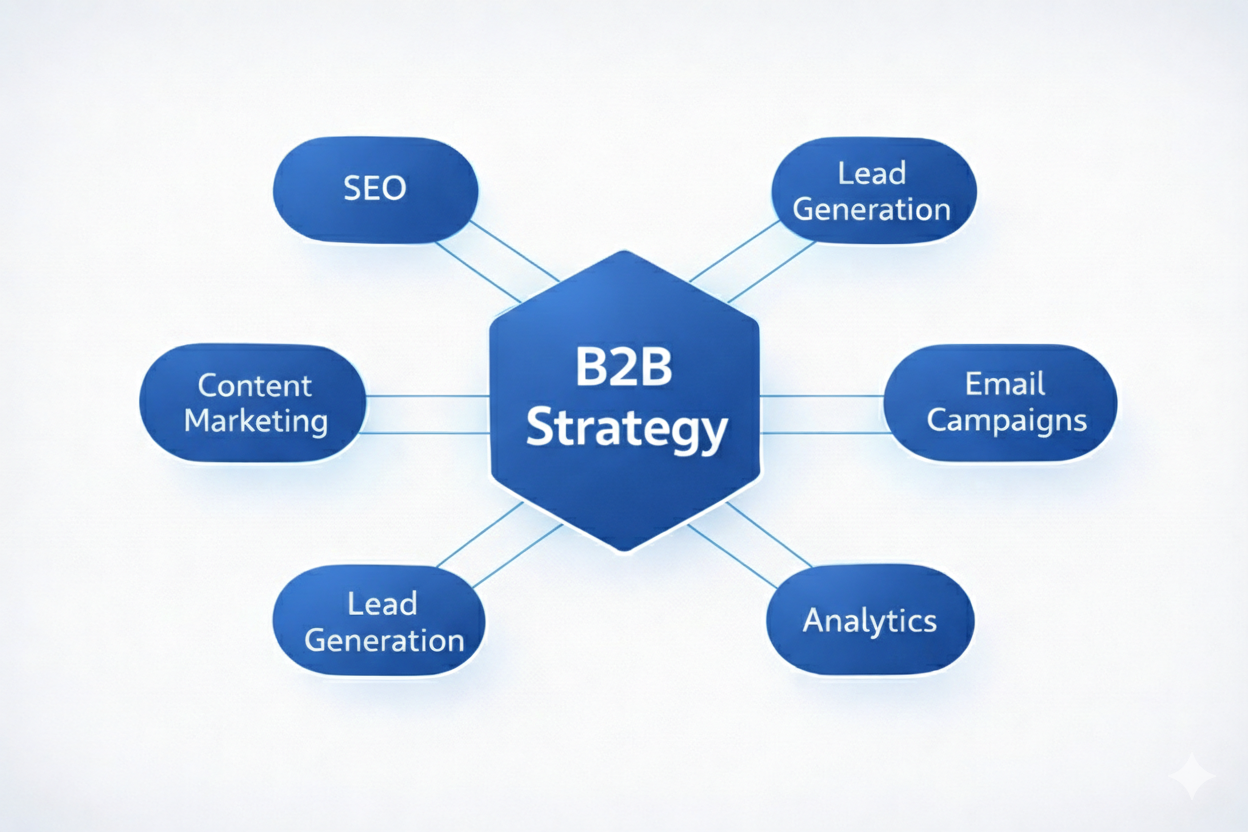
It is executed through multiple channels, phone calls, personalized emails, social selling on LinkedIn, or even creative direct mail campaigns. The key is to integrate these channels thoughtfully so each touchpoint reinforces the other, creating a cohesive, engaging experience for your prospects.
Why Outbound Matters for B2B Companies
You might wonder, “Why not just focus on inbound?” While inbound has its place, outbound remains essential for B2B companies.
Outbound allows you to proactively fill your pipeline, ensuring a steady flow of leads, even when prospects are not actively searching for your solution. It also enables targeted engagement with decision-makers, increasing your chances of meaningful conversations and conversions.
Beyond generating leads, outbound helps build credibility and brand awareness. Even if a prospect does not convert immediately, thoughtful, consistent outreach positions your company as a trusted authority. And when combined with inbound marketing, outbound ensures that you are reaching both active and passive prospects, maximizing your growth opportunities.
Here Are the 5 Essential Steps to Build a Winning B2B Outbound Strategy
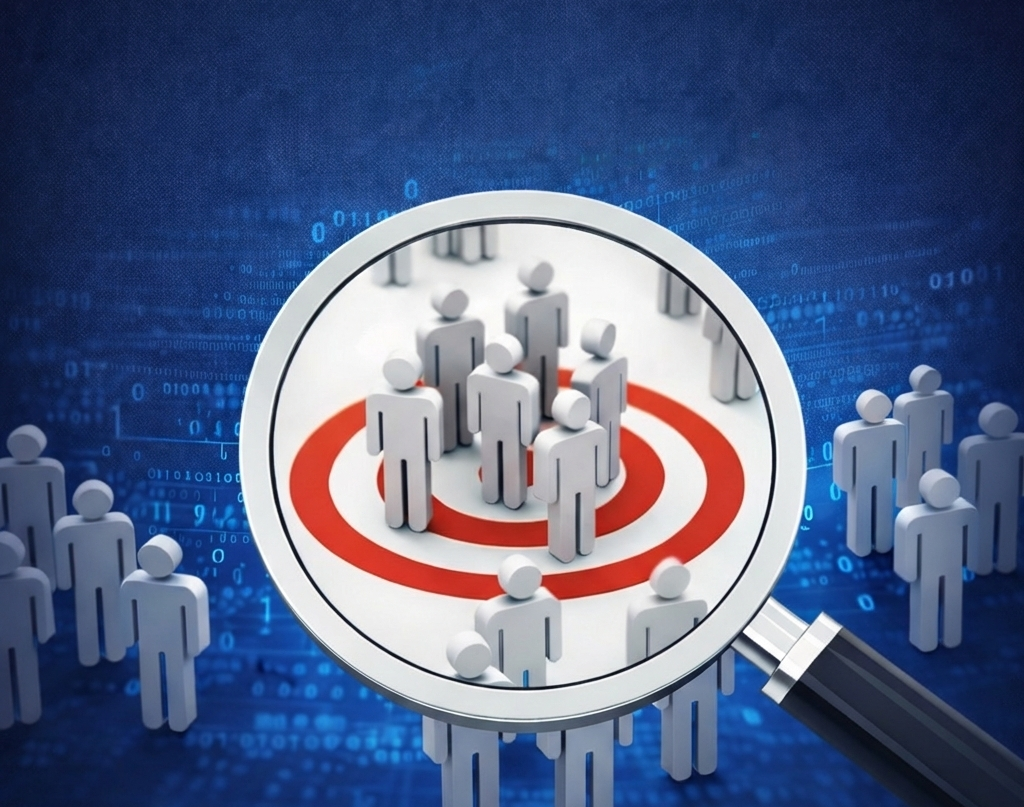
Step 1: Define Your Ideal Customer Profile (ICP)
A strong outbound strategy begins with a clear understanding of who your ideal customer is. Your ICP defines the type of company and decision-maker most likely to benefit from your solution. Without this clarity, outbound campaigns often become scattershot, wasting time and resources.
Defining your ICP means looking at multiple dimensions. Firmographic data, such as company size, industry, and revenue, helps identify which businesses fit your target. Technographic information, what tools and platforms they use, can indicate whether they are ready for your solution. And behavioral and psychographic traits, like pain points and motivations, allow you to craft outreach that resonates.
A well-defined ICP ensures every outreach effort is purposeful, relevant, and targeted, improving engagement and boosting conversion rates. It’s also a living document, you should revisit and refine it regularly based on what your sales team learns from real interactions.
Step 2: Build a High-Quality Prospect List
Once you know who your ICP is, the next step is to find the right people. A high-quality prospect list is the backbone of any effective outbound campaign.
Creating this list requires diligence. First, verify your contact information. Outdated emails or incorrect phone numbers are wasted effort and can harm your reputation. Next, segment prospects by role, industry, company size, and other relevant attributes. This segmentation allows for more personalized outreach.
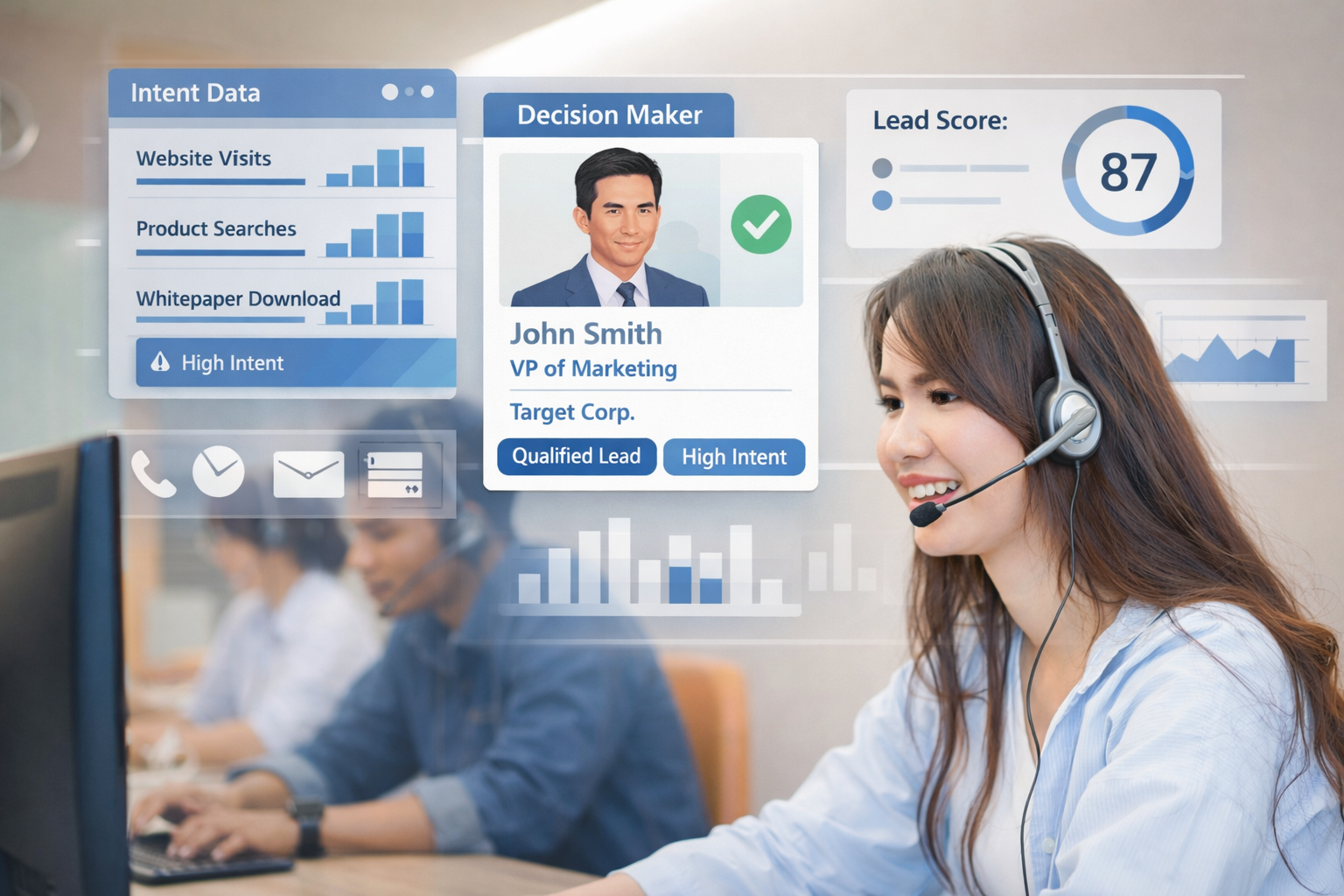
Pay attention to intent signals. Prospects showing signs of activity, such as recent hiring, funding, or expansion, are more likely to engage. And remember, database hygiene is critical. Regularly clean your list to remove duplicates, inactive contacts, or invalid emails.
Integrating your prospect list with your CRM and outreach tools ensures that your campaigns are organized, trackable, and scalable. With the right list, your team can focus on quality interactions rather than chasing irrelevant leads.
Step 3: Craft Personalized and Multi-Channel Messaging
By 2026, personalization is not optional, it is expected. Generic emails or scripts no longer work. Buyers want to feel understood, and your messaging should demonstrate that you have taken the time to know them and their challenges.
Multi-channel engagement is equally important. A single touchpoint rarely drives results. Combining phone calls, emails, and social engagement creates a more cohesive experience and increases the likelihood of response. Sequencing matters too: a call or LinkedIn connection followed by a personalized email and a social touchpoint can dramatically improve engagement rates.
Focus on delivering value, not just promotion. Offer insights, provide solutions to their challenges, and position your brand as a trusted partner. This approach builds trust and credibility, making prospects more receptive to your message. And by monitoring which channels and messages perform best, you can continually refine your approach for maximum impact.
Step 4: Automate Outreach While Maintaining a Human Touch
Automation is essential for scaling outbound campaigns, but it must never replace genuine human interaction. The goal is to streamline repetitive tasks while keeping outreach personal.
Automation can handle follow-ups, track engagement, and manage lead data. It can save time and ensure consistency across campaigns. However, the human touch remains critical. Personalized notes, tailored phone scripts, and thoughtful messaging ensure that prospects feel valued and understood.
The most effective outbound campaigns strike a balance, automation increases efficiency, while personalization ensures authenticity. Monitoring engagement and adjusting your approach based on responses allows your team to scale efforts without sacrificing the human connection that drives conversions.
Step 5: Track, Measure, and Optimize Campaigns
You can not improve what you do not measure. Tracking metrics is crucial to understanding the effectiveness of your outbound strategy and identifying areas for improvement.
Key metrics include response rates, conversion rates, and engagement across different channels. Tracking ROI is also critical, your outreach should deliver measurable results, not just activity. Regular analysis allows your team to refine messaging, adjust targeting, and optimize the sequence of outreach for better results.
Continuous testing, such as A/B testing subject lines, call scripts, or timing, helps identify what resonates best with prospects. Sharing these insights across the team ensures that everyone benefits from lessons learned, creating a culture of constant improvement and optimization.
Conclusion
Outbound marketing in 2026 is no longer about quantity, it is about precision, personalization, and measurable outcomes. By defining your ICP, building a high-quality prospect list, crafting personalized multi-channel messaging, automating thoughtfully, and tracking performance, B2B companies can build a predictable, scalable outbound engine.
The key is consistency and iteration. Outbound done right allows teams to reach the right prospects, engage them meaningfully, shorten sales cycles, and drive sustainable growth. It is a long-term strategy that positions your brand as a trusted partner and keeps your sales pipeline full and healthy year after year.
I hope you find the above content helpful. For more such informative content, please visit PangeaGlobalServices.
FAQs:
1. What is a B2B outbound strategy?
A B2B outbound strategy is a proactive approach where businesses reach out directly to potential customers instead of waiting for inbound interest. This includes cold emailing, calling, social selling, and targeted outreach based on an Ideal Customer Profile (ICP). In 2026, outbound strategies rely heavily on personalization, data intelligence, and multi-channel engagement.
2. Why is outbound still important for B2B companies in 2026?
Outbound remains essential because it allows companies to proactively fill their pipeline, target high-value accounts, and reach decision-makers who may not be actively searching for solutions. When done strategically, with personalization, accurate prospect data, and consistent follow-ups, outbound drives predictable revenue growth.
3. How can personalization improve outbound performance?
Personalization shows prospects that you understand their role, challenges, and business context. Rather than sending generic messages, tailored outreach increases open rates, engagement, and response rates. In 2026, B2B buyers expect personalized communication across multiple channels like email, phone, and LinkedIn.
4. What metrics should I track to measure outbound success?
Key outbound metrics include response rate, meeting-booked rate, conversion rate, email open rate, call connection rate, and overall ROI. Tracking these metrics helps identify what’s working, what needs improvement, and where to optimize your messaging or targeting to boost performance.