Table of Contents
ToggleIntroduction:
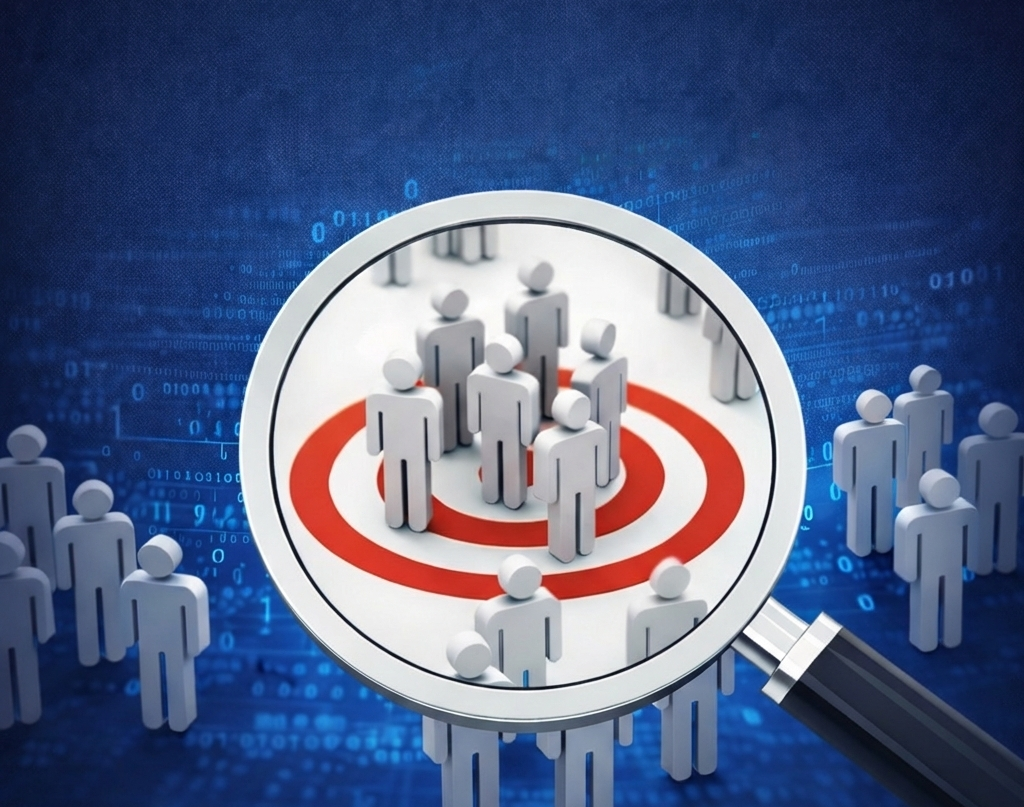
In today’s digital world, marketing is no longer about guesswork. Every click, scroll, and interaction creates data. But collecting data is not the real challenge anymore. The real challenge is understanding what that data means and how to use it effectively.
This is where AI-powered analytics comes in. It helps businesses turn large amounts of data into clear, actionable insights. However, not every AI tool or strategy delivers results. Many companies invest in AI but struggle to see real impact.
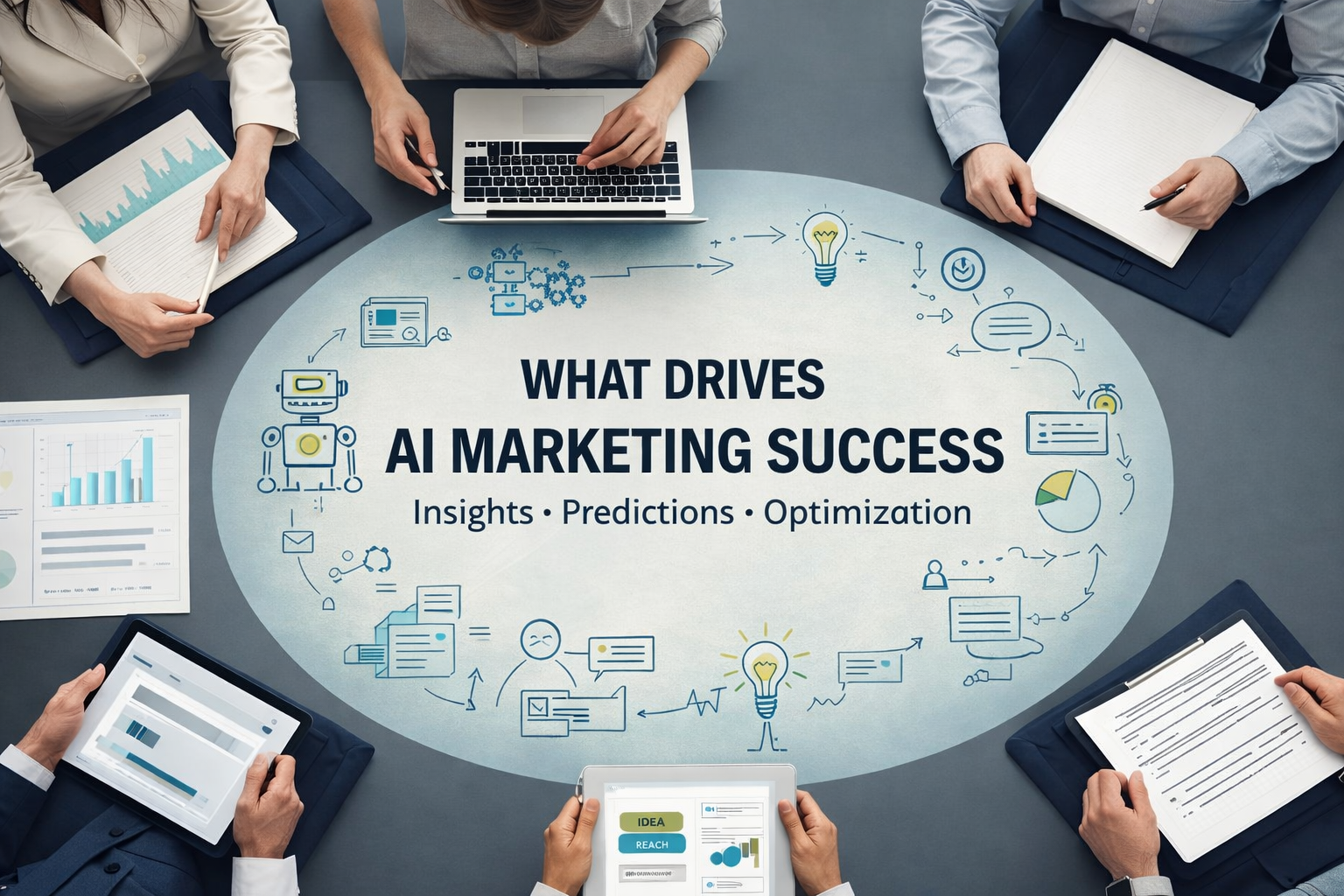
So, what actually works in 2026? Let’s break it down in simple terms and understand how AI-powered analytics can improve your AI marketing campaign.
What is AI-Powered Analytics?
AI-powered analytics is the use of artificial intelligence to analyse data, identify patterns, and support decision-making. Instead of manually going through reports, AI processes large volumes of data quickly and accurately.
It can identify trends, predict future outcomes, and even recommend actions. In simple words, AI turns raw data into useful decisions. This allows marketing teams to move faster and make smarter choices without spending hours analyzing spreadsheets.
In 2026, this approach is no longer optional. It has become a core part of modern marketing strategies.
Why Traditional Analytics Falls Short
Traditional analytics mainly focuses on past data. Teams would review reports, analyze what happened, and then plan their next steps. While this worked in the past, it is no longer enough.
By the time you understand past performance, the opportunity to act has already passed. Today’s marketing requires faster decisions and continuous improvement.
This is why analytics is shifting from reactive to predictive. Instead of only explaining what happened, modern analytics helps marketers understand what is likely to happen next and act on it in real time.
Real-Time Insights That Drive Faster Decisions
One of the most valuable aspects of AI-powered analytics is real-time insights. Instead of waiting for weekly or monthly reports, marketers can now see what is happening as it happens.
This includes changes in customer behavior, campaign performance, and engagement levels. With this information, teams can quickly adjust their strategies, fix issues, and improve results while campaigns are still running.
This speed makes a significant difference, especially in competitive markets where timing is critical.
Predictive Analytics: Planning Ahead with Confidence
Predictive analytics is one of the most powerful features of AI. It uses historical data and patterns to forecast future outcomes.
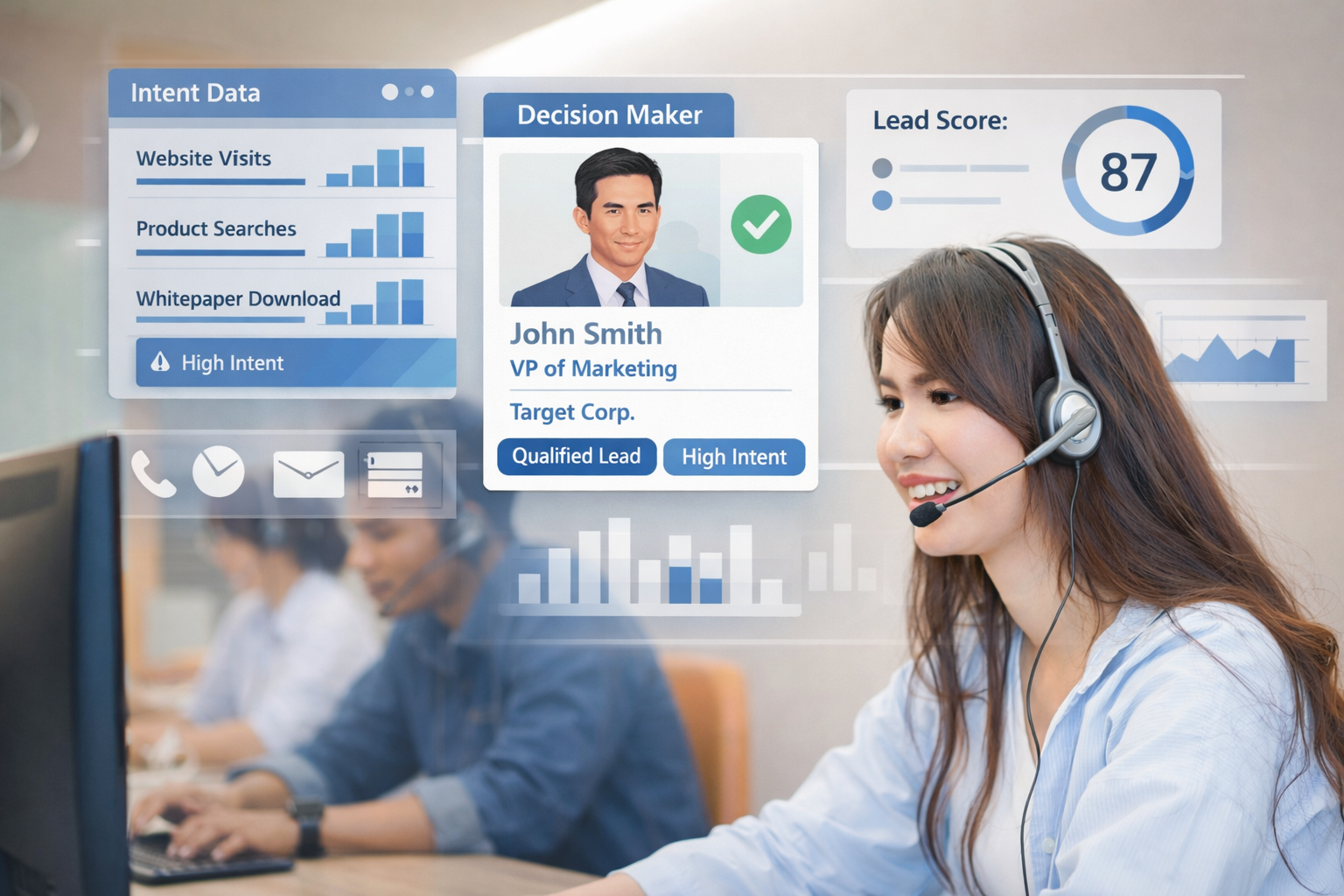
For example, it can help identify which audience is more likely to convert, which leads are high quality, and which campaigns are likely to perform well. Instead of making decisions based on assumptions, marketers can rely on data-driven predictions.
This reduces risk and allows businesses to allocate their budgets more effectively. It also helps teams focus on strategies that are more likely to succeed.
Continuous Campaign Optimization
In 2026, marketing campaigns are no longer static. AI enables continuous optimization by testing different variations and identifying what works best.
It can analyze different elements such as headlines, creatives, messaging, and audience segments. Based on performance, it automatically shifts focus toward the most effective options.
This means campaigns keep improving over time without requiring constant manual intervention. As a result, businesses can achieve better outcomes with less effort.
Hyper-Personalization at Scale
Customers today expect personalized experiences. Generic messaging is no longer effective. AI-powered analytics makes it possible to deliver highly personalized content at scale.
It analyzes user behavior, preferences, and past interactions to create tailored experiences. This could include personalized emails, targeted ads, or customized website content.
When customers see content that is relevant to them, they are more likely to engage and convert. This is why personalization has become a key factor in successful marketing strategies.
Bringing Data Together for a Complete View
Many businesses struggle with data spread across multiple platforms. This makes it difficult to get a clear picture of the customer journey.
AI solves this problem by combining data from different sources into a single view. It connects insights from various channels and provides a complete understanding of customer behavior.
With this unified view, marketers can make better decisions and create more effective strategies. It also helps in identifying gaps and opportunities that might otherwise go unnoticed.
From Dashboards to Actionable Insights
In the past, dashboards were the main way to track performance. However, dashboards alone do not provide solutions. They only show data.
AI-powered analytics goes a step further by turning data into actionable insights. It not only explains what is happening but also highlights problems and suggests next steps.
This makes analytics more accessible to everyone, not just data experts. It also saves time and helps teams focus on taking action rather than just reviewing numbers.
The Role of Continuous Experimentation
Marketing success in 2026 depends heavily on testing and learning. AI makes it easier to run multiple experiments at the same time.
Teams can test different strategies, compare results, and quickly identify what works best. This approach encourages continuous improvement and reduces the chances of failure.
Instead of relying on a single campaign, businesses can explore multiple options and refine their approach based on real data.
Common Mistakes to Avoid
While AI-powered analytics offers many benefits, it is not without challenges. One common mistake is relying on poor-quality data. Since AI depends on data, inaccurate or incomplete data can lead to wrong insights.
Another issue is using too many tools, which creates confusion instead of clarity. It is also important to have a clear strategy, as AI alone cannot deliver results without proper direction.
Over-automation can also be a problem. While automation is helpful, human judgment is still essential. Lastly, expecting instant results can lead to disappointment, as AI systems need time to learn and improve.
How to Make AI Analytics Work for You
To get the most out of AI-powered analytics, it is important to keep things simple. Start by focusing on a single goal, such as improving conversions or generating leads.
Make sure your data is clean and reliable. Choose tools that integrate well instead of using multiple disconnected platforms. Combine AI insights with human decision-making to achieve the best results.
Most importantly, keep testing and learning. Continuous improvement is key to long-term success in any AI marketing campaign.
The Future of AI-Powered Analytics
The future of AI-powered analytics goes beyond insights. We are already seeing a shift toward systems that not only analyze data but also take action.
AI is evolving from providing recommendations to automating decisions and executing campaigns. This will make marketing faster, smarter, and more efficient.
As technology continues to advance, businesses that adapt early will have a significant advantage.
Conclusion
AI-powered analytics is no longer just a trend. It has become an essential part of modern marketing. However, success does not come from using AI alone.
It comes from using the right data, focusing on meaningful insights, and continuously improving strategies. The businesses that succeed in 2026 are not the ones using the most tools, but the ones using AI effectively.
In the end, AI does not replace marketers. It empowers them to make better decisions and achieve better results.
I hope you find the above content helpful. For more such informative content, please visit PangeaGlobalServices.
FAQs:
1. What is an AI marketing campaign?
An AI marketing campaign uses artificial intelligence to analyze data, understand customer behavior, and automate marketing actions. It helps businesses deliver personalized content, optimize campaigns in real time, and improve overall performance with data-driven decisions.
2. How does AI-powered analytics improve marketing results?
AI-powered analytics improves marketing by providing real-time insights, predicting customer behavior, and continuously optimizing campaigns. This helps marketers make faster decisions, reduce guesswork, and focus on strategies that deliver better results.
3. What are the key benefits of using AI in marketing campaigns?
The main benefits include better targeting, improved personalization, faster decision-making, and higher ROI. AI also helps automate repetitive tasks, allowing teams to focus on strategy and creativity.
4. What are common challenges in AI marketing campaigns?
Some common challenges include poor data quality, lack of clear strategy, over-reliance on automation, and using too many disconnected tools. To succeed, businesses need clean data, the right tools, and a balanced approach between AI and human input.