Content marketing has entered a new phase where performance matters more than volume. Businesses are no longer creating blogs, whitepapers, and campaigns simply to maintain visibility online. Instead, every piece of content is expected to generate engagement, influence buying decisions, and contribute to measurable business growth.
Artificial intelligence is playing a major role in this transformation. AI is helping marketers understand how audiences consume content, what drives engagement, and why certain messages lead to conversions while others fail to create impact.
Rather than relying solely on assumptions or creative instincts, marketing teams now use AI-driven insights to develop smarter, more targeted content strategies. This shift is helping businesses deliver more relevant experiences across every stage of the customer journey.
Table of Contents
ToggleAI Has Changed the Way Marketers Understand Audiences
One of the biggest lessons AI has introduced into content marketing is the importance of audience behaviour. Traditional marketing often focused on broad messaging designed for large groups of people. However, AI has shown that modern audiences respond better to highly relevant and personalized communication.
By analyzing user interactions, browsing activity, search patterns, and engagement metrics, AI helps marketers understand what audiences truly care about. These insights reveal the type of content people consume, the topics they engage with most, and the formats that encourage action.
This allows businesses to move beyond generic campaigns and create content tailored to specific customer interests and challenges. As a result, marketing becomes more precise and customer-focused.
Relevance Matters More Than Content Volume
For years, many businesses believed publishing more content would automatically increase traffic and leads. While consistency still matters, AI has revealed that relevance is far more important than quantity.
A smaller number of highly targeted articles often performs better than a large collection of generalized content. Buyers are more likely to engage with content that directly addresses their problems, industry needs, or decision-making concerns.
AI tools help marketers identify trending topics, audience intent, and content gaps. This enables businesses to produce material that aligns closely with what potential customers are actively searching for.
The result is stronger engagement, improved trust, and higher conversion potential.
AI Helps Identify Buyer Intent
Another important lesson AI has taught marketers is that not every visitor has the same level of buying intent.
Some users are simply researching information, while others are actively evaluating solutions before making purchasing decisions. AI helps businesses distinguish between these stages by analyzing behavioral patterns and engagement signals.
For example, someone reading educational blogs may still be in the awareness stage, while users downloading case studies or requesting demos may be closer to making a purchase.
Understanding these intent signals allows marketers to deliver the right type of content at the right time. This improves the customer experience while increasing the likelihood of conversion.
Data-Driven Decisions Improve Content Performance
Content marketing used to involve significant guesswork. Teams often created campaigns based on assumptions about what audiences might prefer.
AI has reduced this uncertainty by introducing data-driven decision-making into content strategy.
Modern AI systems can analyze metrics such as:
- Click-through rates
- Scroll depth
- Engagement duration
- Bounce rates
- Conversion paths
- CTA interactions
These insights help marketers understand which content performs well and where audiences lose interest.
Instead of waiting months to evaluate results, businesses can now make faster adjustments to improve performance. Headlines, content structure, publishing schedules, and messaging can all be optimized using real-time insights.
This creates a more agile and efficient content strategy.
Personalization Has Become Essential
AI has also reinforced the importance of personalization in modern marketing.
Today’s audiences expect content experiences tailored to their industry, interests, and stage in the buying journey. Generic messaging often fails to capture attention because buyers are exposed to large amounts of digital content every day.
AI enables marketers to personalize communication at scale. Businesses can now deliver:
- Customized email campaigns
- Personalized content recommendations
- Industry-specific messaging
- Targeted landing pages
- Dynamic website experiences
This level of personalization improves engagement because users feel the content is more relevant to their specific needs.
In B2B marketing especially, personalized experiences help build credibility and strengthen customer relationships.
Predictive Insights Are Improving Marketing Strategies
One of AI’s most valuable contributions is predictive analysis.
AI tools can evaluate historical performance data and identify patterns that help marketers predict future outcomes. This allows businesses to focus on content strategies with higher conversion potential before investing large amounts of time and resources.
Predictive AI can help answer questions such as:
- Which topics are likely to trend?
- What type of content performs best for a target audience?
- Which users are most likely to convert?
- When is the best time to publish campaigns?
These insights help marketers improve efficiency while reducing wasted effort.
Instead of reacting to poor performance after campaigns launch, teams can proactively optimize strategies from the beginning.
Human Creativity Still Drives Meaningful Content
Although AI offers powerful analytical capabilities, human creativity remains essential in content marketing.
AI can process data, identify trends, and optimize campaigns, but it cannot fully replace authentic storytelling, emotional understanding, or strategic brand messaging.
Successful marketing still depends on creativity, originality, and the ability to connect with audiences on a human level.
The most effective content strategies combine AI-driven insights with human expertise. AI provides the intelligence behind audience behavior, while marketers create narratives that build trust and emotional connection.
Businesses that rely entirely on automation risk producing repetitive and generic content that lacks personality.
The Future of Content Marketing with AI
As AI technology continues evolving, content marketing will become even more intelligent and customer-focused.
Future strategies are expected to include:
- Real-time content personalization
- Advanced audience segmentation
- AI-assisted content optimization
- Improved buyer intent analysis
- Smarter lead nurturing strategies
- Deeper integration between marketing platforms
These advancements will help businesses create more efficient and impactful marketing campaigns.
However, the brands that stand out will be those that balance automation with authenticity. Technology can improve efficiency, but meaningful customer relationships still depend on trust, creativity, and value-driven communication.
Conclusion
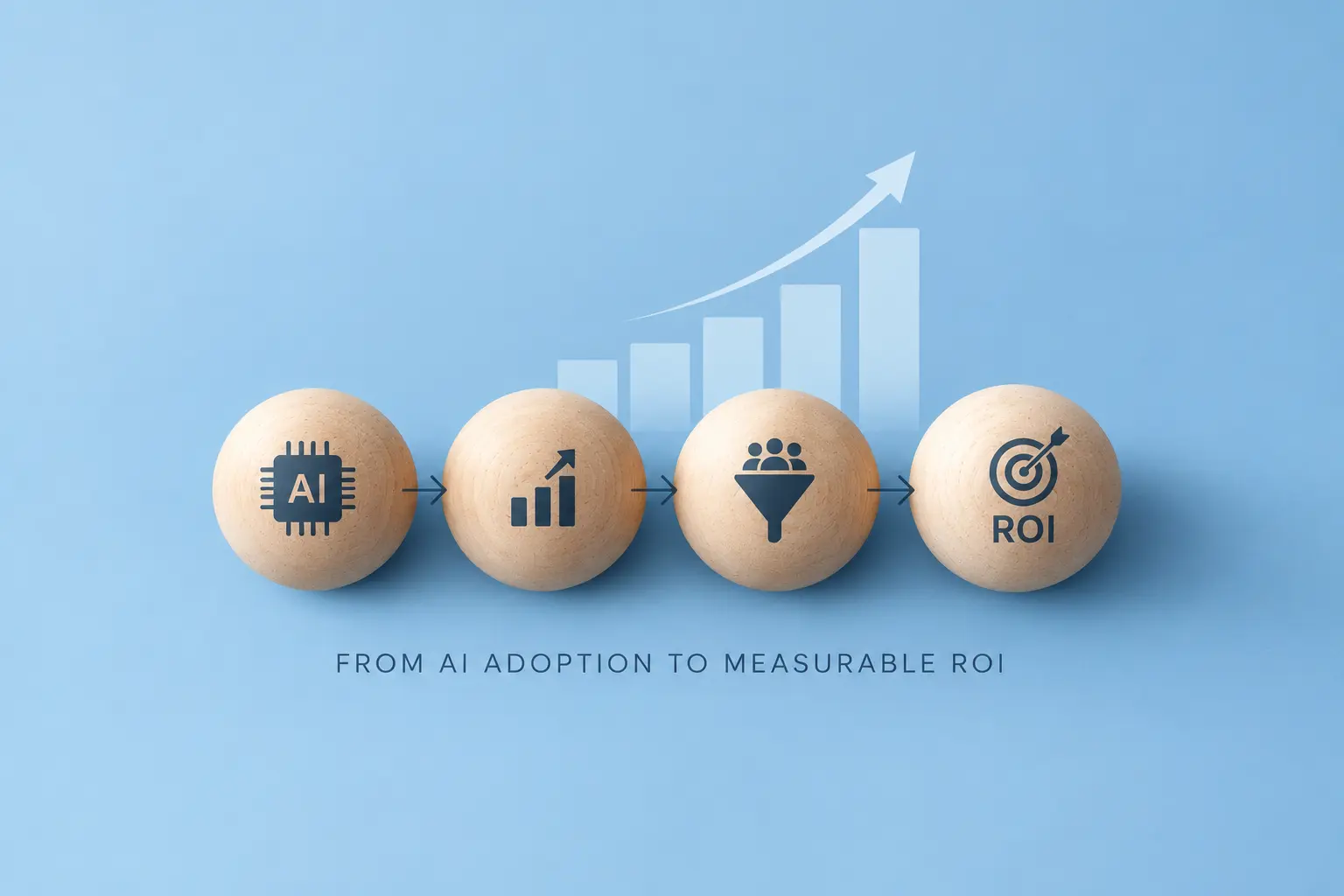
AI is transforming content marketing by helping businesses better understand audience behavior, buyer intent, and engagement patterns. It has shifted marketing strategies from assumption-based planning to data-driven execution.
Today, successful content is no longer defined by volume alone. Relevance, personalization, timing, and customer understanding play a much greater role in driving conversions.
At the same time, human creativity remains critical for building authentic brand experiences and emotional connection.
Businesses that combine AI-powered insights with strong storytelling and strategic thinking will be better positioned to create content that not only attracts attention but also drives measurable business results.
I hope you find the above content helpful. For more such informative content, please visit PangeaGlobalServices.
FAQs
1. What is an AI content strategy?
An AI content strategy is the use of artificial intelligence tools and data insights to plan, create, optimize, and personalize content for better audience engagement and conversions.
2. How does AI improve content marketing performance?
AI helps marketers analyze audience behavior, identify buyer intent, optimize campaigns, and deliver personalized content experiences that improve engagement and conversion rates.
3. Can AI completely replace human content creators?
No, AI supports content creation through automation and insights, but human creativity, storytelling, and strategic thinking are still essential for creating authentic and meaningful content.
4. Why is personalization important in AI-driven content strategy?
Personalization helps businesses deliver relevant content based on user interests, industry, and behavior, which improves customer experience, trust, and conversion opportunities.